


The best form of vitamins for absorption? Liquid and powder vitamins win, hands down. They hit your bloodstream faster than pills, capsules, or gummies because your body doesn't have to break down a solid barrier first. But here's the thing: the "best" form also depends on which vitamin you're taking, what you've eaten that day, and how healthy your gut is. Let's break down what actually matters when you're trying to get the most from your supplements.
In this article
- Liquid Vitamins Absorb Faster Than Solid Forms
- Fat-Soluble vs Water-Soluble: Timing Matters
- Why Bioavailability Is the Real Game-Changer
- Softgels: Easier to Swallow, Variable Effectiveness
- Pairing and Timing: The Secret to Better Absorption
- When You Need High-Absorption Formulations
- Compliance Beats Perfection Every Time
- What to Look For in a Quality Vitamin Form
- The Bottom Line on Vitamin Form and Absorption
- FAQ: Your Vitamin Absorption Questions Answered
Liquid Vitamins Absorb Faster Than Solid Forms
When you swallow a pill, your digestive system has to dissolve it before absorption can even begin. Liquid vitamins skip that step. They're already in a form your body can process immediately, which means faster bioavailability and potentially higher absorption rates overall.
Related: Best Liquid Vitamins for Seniors 2026: Top 5 Ranked
The science backs this up. Liquid formulations tend to have absorption rates 20-30% higher than tablet forms, depending on the specific nutrient and your individual gut health. That's why many health-conscious people are ditching the pill bottle.
Powder vitamins sit somewhere in the middle. They dissolve faster than tablets but take slightly longer than true liquids. Still, they're a solid choice if you prefer mixing something into your morning smoothie rather than taking a dropper of liquid.
Fat-Soluble vs Water-Soluble: Timing Matters
Here's where it gets specific. Not all vitamins behave the same way in your body.
Fat-soluble vitamins (A, D, E, K) need dietary fat to absorb properly. These vitamins dissolve in fat, not water, so taking them on an empty stomach is basically a waste. You want to consume them with a meal that includes healthy fats like olive oil, avocado, nuts, or fatty fish. This dramatically improves how much of the vitamin your body actually uses.
Water-soluble vitamins (B complex, vitamin C) work the opposite way. They dissolve in water and may absorb better on an empty stomach. Some people take B vitamins first thing in the morning before breakfast specifically because of this. However, if they upset your stomach alone, eating a light snack won't destroy the absorption—it just might not be optimal.
Why Bioavailability Is the Real Game-Changer
Bioavailability is just a fancy way of saying "how much of this vitamin does your body actually absorb and use?" You could take a massive dose of something, but if your gut can't absorb it, most of it passes through your system unused.
This is where form makes a huge difference. Vasflow's liquid formula approach exists because of this principle: when nutrients are already in a liquid state, there's less work for your digestive system to do, which means more of the active ingredient reaches your bloodstream where it counts.
Several factors influence bioavailability beyond just the form:
- Your age (absorption naturally decreases as you get older)
- Your gut health and digestion strength
- Whether you have malabsorption conditions like IBD or celiac disease
- What other nutrients you're taking alongside it
- Your overall diet quality and nutrient status
If you have any digestive issues, liquid or powder forms become even more important because they put less strain on your system.
Softgels: Easier to Swallow, Variable Effectiveness

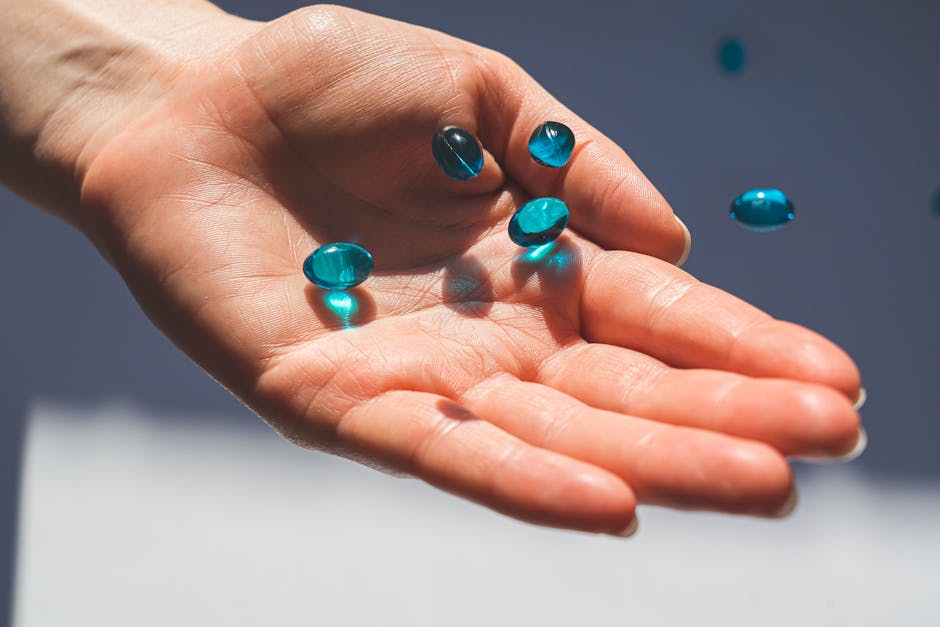
Softgels sit between pills and liquids. They're gelatin capsules filled with liquid or powder, so they dissolve faster than hard tablets. Many people prefer them because they're easier to swallow than giant pills.
The catch? Effectiveness varies by individual. Some people absorb from softgels nearly as well as from pure liquids. Others see minimal difference. It depends largely on how strong your stomach acid is and how efficiently your digestive system works.
For most people, if swallowing pills is a genuine struggle, softgels are a reasonable middle ground. But if maximum absorption is your priority, liquid beats softgel beats tablet, in that order.
Pairing and Timing: The Secret to Better Absorption
Even the best form of vitamin won't do much if you take it at the wrong time or with the wrong food.
Here's your timing guide:
- With meals: Fat-soluble vitamins (A, D, E, K) and minerals like iron
- With a light snack: B vitamins if they cause nausea on an empty stomach
- Empty stomach (or light meal): Water-soluble vitamins like vitamin C if you want maximum absorption
- Separate times: Calcium and iron—they compete for absorption, so take them hours apart
The pairing rule is huge and often overlooked. Taking a fat-soluble vitamin with a high-carb, low-fat breakfast is like throwing money away. You need actual healthy fat present for absorption to happen efficiently.
When You Need High-Absorption Formulations
If you have digestive issues, celiac disease, inflammatory bowel disease, or any malabsorption condition, standard vitamin forms might not cut it. Your gut is struggling to absorb nutrients efficiently, so you need help.
This is when liquid, sublingual (under-the-tongue), or specially formulated high-absorption versions become genuinely important rather than just "nice to have." Talk to your doctor about whether you need specialized supplementation if you're dealing with a digestive condition.
For healthy people with normal digestion, a quality liquid or powder vitamin form combined with smart timing will get you where you need to be. That's why many people who are serious about their nutrition are making the switch to liquid supplement delivery systems—they cut out the guesswork.
Compliance Beats Perfection Every Time
Here's the honest truth: the best form of vitamin is the one you'll actually take consistently.
You could have the most bioavailable supplement in the world sitting on your shelf, but if you forget to take it or hate the taste, it's useless. Some people love liquids. Others find them gross and will stick with pills no matter what. Some people never miss a dose of gummies.
Related: Best Form of Supplement Absorption: Liquid vs Pills
The difference in absorption between the best and second-best form is usually smaller than the difference between taking a supplement consistently versus sporadically. Pick a form you genuinely like, then focus on taking it at the right time with the right foods.
What to Look For in a Quality Vitamin Form
Regardless of which form you choose, a few things separate good supplements from mediocre ones:
- Third-party testing: Look for NSF, USP, or ConsumerLab verification
- Clean ingredients: Minimal fillers and artificial additives
- Appropriate dosages: Enough to actually make a difference, but not so much you risk toxicity
- Good packaging: Dark glass or opaque containers protect nutrients from degradation
- Brand transparency: You should know exactly what you're getting and why
When you're comparing supplement brands, these factors matter more than the form itself. A poorly made liquid can underperform a well-made pill. Quality is non-negotiable.
The Bottom Line on Vitamin Form and Absorption
Liquid vitamins absorb fastest. Powders are next. Then softgels. Then tablets. But context matters hugely: fat-soluble vitamins need fat, water-soluble vitamins work better on empty stomachs, and your gut health changes everything.
Your age, digestive health, current medications, and existing nutrient levels all influence how much of any vitamin you actually absorb. That's why generic one-size-fits-all advice falls flat.
The real win? Pick a form you'll take consistently, optimize timing based on vitamin type, and choose brands that prioritize quality and transparency. If you're serious about supporting your cardiovascular health and circulation specifically, Vasflow's science-backed liquid formula demonstrates exactly this principle: superior bioavailability by design, with third-party verification so you know what you're getting.
FAQ: Your Vitamin Absorption Questions Answered
Can you absorb vitamins through the skin or under the tongue?
Sublingual (under-the-tongue) supplements bypass stomach acid, which can help certain nutrients absorb faster. Skin absorption (transdermal) is much less effective for most vitamins—your skin is designed to keep things out. Sublingual works best for vitamin B12 and certain minerals, but for most vitamins, swallowing liquid or powder beats sublingual.Related: Liquid Vitamins vs Pills Absorption: Which Works Better?