


Here's the straightforward answer: liquid vitamins are absorbed faster than pills because they're already dissolved and don't need your stomach to break them down first. But that doesn't automatically make them "better" for you. The truth is messier and actually kind of interesting.
Absorption speed matters, sure. But absorption isn't the only thing that matters. If a nutrient doesn't stick around in your body long enough to do its job, speed doesn't help. If you take it on an empty stomach when you should be eating fat alongside it, the format becomes almost irrelevant.
Let's dig into what actually affects how well your body uses vitamins, and why the liquid-versus-pills debate is way more about your specific situation than about which one is "objectively better."
Related: Best Liquid Vitamins for Women 2026: Top 6 Ranked
Related: Best Liquid Vitamins for Seniors 2026: Top 5 Ranked
Related: Best Liquid Vitamins for Seniors Over 70: Top 5 Ranked
Related: Liquid Vitamins vs Gummies: Which Is Actually Better?
In this article
- Why Liquid Vitamins Absorb Faster Than Pills
- But Wait: Faster Isn't Always Better
- What Actually Matters More Than Liquid vs Pills
- Liquid Supplements: Real Pros (and Some Cons)
- Pills: The Underrated Option
- What About Powders and Gummies?
- How to Choose the Right Format for You
- Real Talk: Quality Beats Format Every Time
- The Bottom Line on Absorption
Why Liquid Vitamins Absorb Faster Than Pills
The basic science is simple: liquid vitamins skip a step. Your digestive system doesn't have to dissolve them first. They're already broken down and ready for your intestines to grab them.
Pills and capsules? Your stomach acid has to break those down. That takes time, usually 20-30 minutes depending on what else you've eaten, how fast your digestion moves, and honestly just random variation in how your body feels that day.
Liquid formulations can start being absorbed within minutes. Gummies and powders fall somewhere in the middle.
This matters most if you have absorption challenges. If you've got digestive issues, older age (digestion naturally slows down), or you're on medications that interfere with nutrient uptake, that speed advantage can be real and noticeable.
But Wait: Faster Isn't Always Better
Here's where it gets interesting. Just because something absorbs fast doesn't mean you'll actually use it well or retain it long enough to matter.
Fat-soluble vitamins (A, D, E, and K) need dietary fat to absorb properly. This is non-negotiable. If you take a liquid vitamin D supplement on an empty stomach, it doesn't matter that it's liquid. Your body can't absorb it without fat present. Take it with a meal that has some butter, oil, nuts, or meat, and suddenly the format matters less than your timing.
Water-soluble vitamins (like B vitamins and vitamin C) don't have this requirement, so they can absorb more easily regardless of what you're eating. But they also exit your body more quickly, so you might need them more frequently.
Your individual gut health is honestly the biggest variable. If your intestinal lining is inflamed, if you have low stomach acid, or if you're dealing with IBS or Crohn's, the whole absorption game changes. A pill might work fine for someone else but feel useless for you, and a liquid might feel like a game-changer for you but do nothing special for them.
What Actually Matters More Than Liquid vs Pills
Before you assume liquid is the way to go, consider these factors that probably matter more to your results:
- Third-party testing and quality standards. A sketchy liquid vitamin absorbs fine but might not contain what the label says. A solid pill from a trusted brand with third-party verification beats a fast-absorbing supplement you can't trust. Look for products tested by independent labs that verify purity and potency.
- Timing and food pairing. Taking your supplement with the right food matters more than whether it's liquid or solid. Fat with fat-soluble vitamins. Don't take iron with calcium. Consistency beats perfection.
- Your digestive health right now. If you're dealing with bloating, reflux, or food sensitivities, liquid might genuinely feel better. If your digestion is solid, a quality pill works great.
- Whether you'll actually take it consistently. The best supplement format is the one you'll use every single day. If you hate the taste of a liquid, you won't take it. If pills make you gag, get a liquid.
Absorption rate sounds impressive in marketing copy. It's real, but it's one factor among many.
Liquid Supplements: Real Pros (and Some Cons)

Liquid vitamins genuinely shine in specific situations:
- Faster absorption for people with compromised digestion, especially older adults or anyone with absorption issues.
- Easier to customize doses. Drop-based liquids (like Vasflow's cayenne pepper drops for circulation support) let you adjust how much you take without swallowing a huge pill.
- Better for certain nutrients. Concentrated liquid extracts can deliver active compounds more efficiently than pressed pills.
- No fillers required. Liquids don't need binding agents to hold their shape, so you get a cleaner formulation.
The downsides are real too:

- Taste. Most liquid supplements taste kind of rough. You're usually adding them to water or juice, which helps but doesn't always fix it.
- Shelf stability. Liquids break down faster than solid pills once opened, so you need to use them within a timeframe and store them properly.
- Cost. Liquid supplements are usually pricier per dose than pills.
Pills: The Underrated Option
Pills get a bad rap in the "liquid is better" conversation, but they've got real advantages:
- Shelf stability. A pill lasts for years. You don't worry about it degrading after you open the bottle.
- Portability. Easy to throw in your bag, take at work, travel with.
- Taste-free. Just swallow and go. No flavor to deal with.
- Proven absorption. Yes, it takes longer, but your body knows how to break down pills. They work.
- Cost-effective. Generally cheaper per serving than liquid equivalents.
If your digestion is healthy and you'll actually take pills consistently, they're a totally solid choice. The liquid-is-better narrative is partly marketing, not pure science.
What About Powders and Gummies?
Since you're already comparing formats, worth mentioning: powders land between pills and liquids on absorption speed. Gummies absorb slower than pills because they're denser, even though they're chewable. Gummies also usually have more sugar and fewer active ingredients per serving, so they're more about convenience and taste than efficiency.
Your best bet? Pick the format that fits your actual life and your actual digestion. Don't chase the hype.
How to Choose the Right Format for You
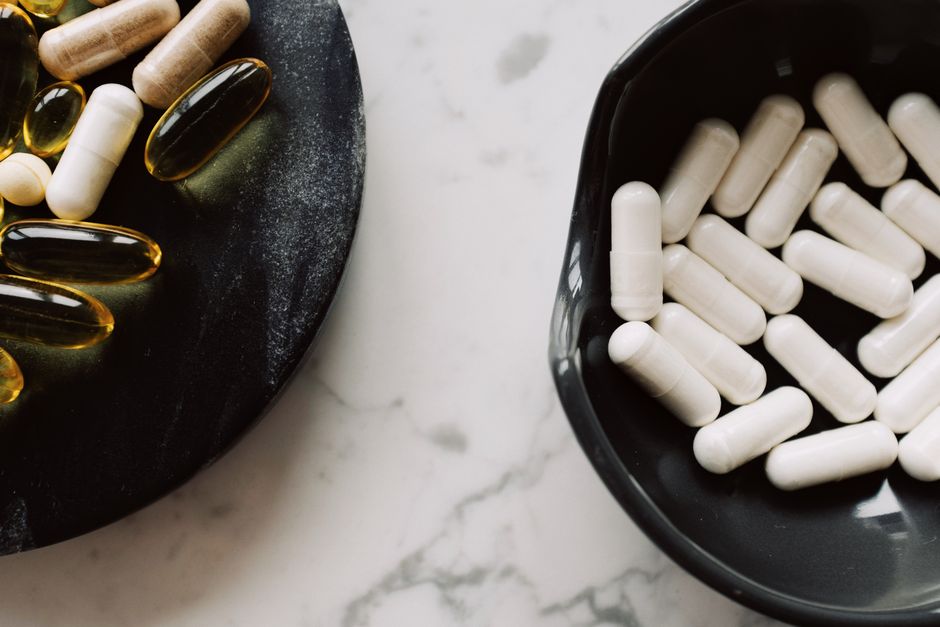
Start here:
- Do you have absorption issues or digestive trouble? Liquid or powder might feel noticeably better. Try both if you can.
- Is taste a dealbreaker for you? Go with pills or gummies, accept the slightly slower absorption.
- Do you need to adjust doses frequently? Liquid gives you that flexibility. Capsules come in set amounts.
- How serious are you about quality? Demand third-party testing regardless of format. That matters way more than liquid versus pills.
- Will you actually stick with it? The best supplement is the one you take every day.
For cardiovascular support specifically, if you're looking at natural supplements, the format matters less than the active compounds. Something like Vasflow's circulation support formulas give you the absorption advantage of liquid with clinically studied ingredients like cayenne pepper for blood flow and heart health.
Real Talk: Quality Beats Format Every Time
Here's the thing nobody wants to hear: a high-quality pill from a brand that does third-party testing will out-perform a cheap liquid with questionable sourcing.
When you're shopping, focus on:
- Third-party testing verification (NSF, USP, or ConsumerLab)
- Transparent ingredient sourcing
- Potency levels that match the label
- Brands that publish their testing results
These factors matter infinitely more than whether you're swallowing a pill or dropping a liquid under your tongue. Learn more about supplement standards and what real third-party testing means for your confidence in any product you choose.
The Bottom Line on Absorption
Liquid vitamins absorb faster than pills. That's factual. But faster absorption only helps if three other things are true: your body can actually absorb the nutrient (which depends on the type of vitamin and what you eat with it), the supplement contains what it claims (which depends on testing and quality), and you'll take it consistently (which depends on whether you like the format).
If you've got healthy digestion and you like swallowing pills, pills are fine. If you struggle with digestion or you prefer liquids, liquids make sense. If you want the absorption advantage with research-backed ingredients for heart and circulation health, Vasflow offers both liquid drops and evidence-based formulations designed for maximum bioavailability.
Don't let format hype distract you from the real factors: quality, consistency, proper nutrition pairing, and whether you'll actually use it.
Are liquid vitamins better absorbed than pills?
Liquid vitamins are absorbed faster because they're pre-dissolved and don't require stomach acid to break them down first. However, "faster" doesn't always mean "better absorbed." If you pair your supplement correctly with food (especially fat for fat-soluble vitamins), take it consistently, and choose a quality product, the format matters less than you'd think. Your individual gut health and digestive efficiency matter more than liquid versus pills.
Can you absorb vitamins from pills if you have a sensitive stomach?
It depends on what makes your stomach sensitive. If you have trouble breaking down solid pills, liquid or powder formats might feel gentler and absorb more easily. If your issue is the ingredients themselves (like vitamin C causing reflux), the format won't help. Try liquid for a few weeks and see if it makes a difference. If your stomach issues persist regardless, talk to a healthcare provider about absorption-supporting strategies.
What's the difference between liquid and powder vitamins?
Liquids are pre-dissolved and ready to absorb immediately. Powders need some digestion but are faster than pills. Powders are usually cheaper, mix into drinks easily, and last longer on the shelf than liquids. Liquids have the absorption advantage but cost more and break down faster once opened. For most people, powders land in a good middle ground.
Do I need to take liquid vitamins with food?
Water-soluble vitamins (B vitamins, vitamin C) absorb fine on an empty stomach. Fat-soluble vitamins (A, D, E, K) absolutely need dietary fat to absorb properly, regardless of whether you're taking liquid or pills. Check your specific supplement's label or ask your healthcare provider if you're unsure. When in doubt, take it with a meal that includes some fat.